
A Family Arrives at Dusk
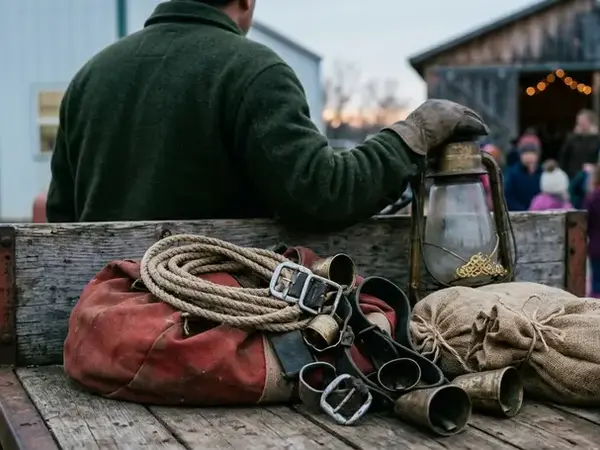
A family vehicle turns into the Oney's Tree Farm & Nursery lot just before 4 p.m. Winter light is already thinning. The visit opens with a quick parking-lot decision. If they are pulling in around that hour or later, browsing every row is no longer the goal.
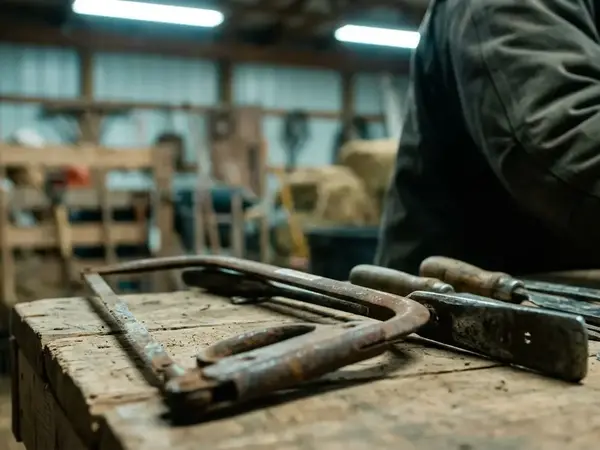
The core tools introduced immediately—a farm-provided bow saw for cutting and a tarp for dragging the tree back, become the priority items. One adult keeps the focus on securing a Balsam fir quickly before the field goes dark.
What a U-Cut Visit Involves
First-time visitors should budget 15 to 30 minutes just for walking the field and choosing a tree. The family first walks the rows and narrows the choice by height, fullness, and trunk straightness. Once they agree on a Balsam fir, they clear the lowest branches enough to reach the trunk.
Manual cutting with a bow saw is usually done close to the ground. This leaves enough trunk for later trimming and stand fitting. The tarp serves two jobs. It helps drag the tree and reduces mud, snow, or grass contact with the branches.
A short tree near the checkout area may take only a brief walk and cut. A taller tree farther out adds dragging time, mud exposure, and loading complexity.
Timing Your Arrival Before Dark
The timing decision should be made before leaving home. Count backward from sunset, not from the farm’s closing mood. For a practical winter plan, treat 3:00 p.m. as the safer latest arrival for a first U-cut trip. Allow 45 to 75 minutes from parking to loaded vehicle when visiting with children, taking photos, or walking deeper rows.
Where field observations track late-day harvests, the reality sets in quickly: through the late afternoon, field visibility can change rapidly, especially on cloudy December days. These timing cues assume a standard winter afternoon visit in northern Illinois-style conditions; extended farm hours, lighting, or unusually clear late-day weather can change the margin.
Warning: Arriving just before 4 p.m., walking deep into the field, and still trying to compare trees can leave the family cutting and loading in fading light.
Tools Provided and Items to Bring
Gear choices should support three moments: cutting, dragging, and loading. The bow saw handles the cut. The tarp handles transport across damp ground. The family’s own gloves and footwear keep the process comfortable.
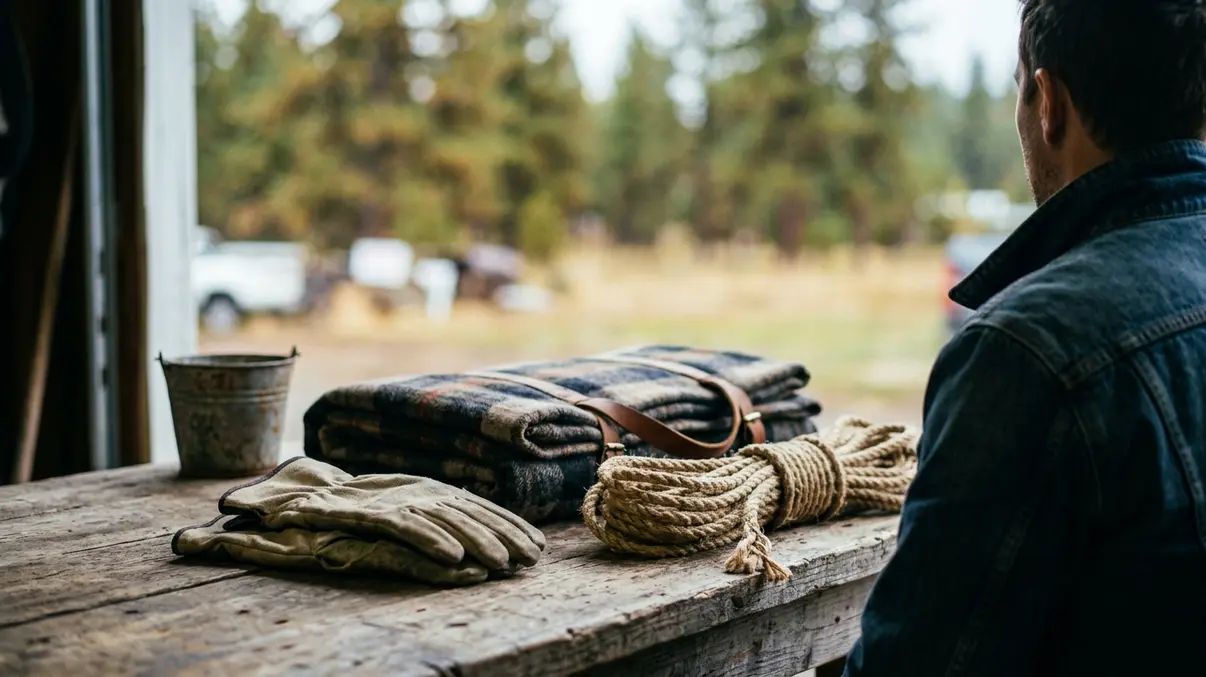
Bring work gloves for the person using the bow saw and for anyone grabbing the trunk or tarp edge. Wear boots or shoes that can handle wet grass, mud, frozen ruts, or light snow. Carry the farm-provided bow saw carefully, keeping the blade pointed away from children and legs as you walk the rows.
Joint work dating to the nursery's early years established the bow saw as the go-to tool for clean cuts that protect the remaining stump.
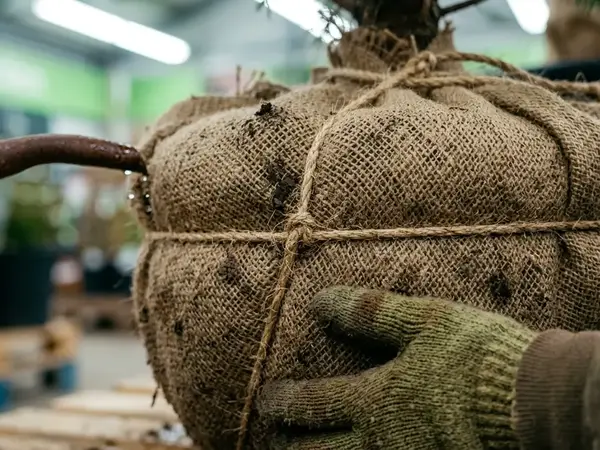
Pro Tip: Pack rope, soft straps, or vehicle tie-downs before leaving home so loading does not depend on improvised knots in the parking area.
A small hand towel or old blanket can protect the vehicle interior if the tree rides inside instead of on a roof rack.
Will you cut your tree before or after 3 pm?
The reader’s decision is intentionally simple. If arriving before 3:00 p.m., plan a relaxed field walk and leave time for checkout and loading. There is room to browse, compare, and let children help.
Key Takeaway: If arriving after 3:00 p.m., choose from nearer rows first and avoid spending the last light comparing many similar trees.
The visit should become task-focused, with one adult leading the cut. If arrival would be closer to 4:00 p.m., decide whether cutting that day still feels safe and enjoyable before walking far from the lot.
Will you secure your tree in the bright mid-afternoon, or race the fading light to finish your harvest?