
McHenry Trees Take Shape on the First Flushes
A young Balsam fir in McHenry County requires a short sequence of light, flush-timed passes across one growing season. Begin this work as soon as new growth hardens enough to hold a line. The traditional single midsummer haircut forces excessive correction after the plant has already placed much of next season’s framework. A small tree still answers the knife beautifully when the cuts stay shallow and well timed.
Taper, leader dominance, and next season’s bud sites remain highly trainable while the plant is young and the season is moving. Shape is built through a few shallow decisions. Wait until the first flush can hold a cut, establish the leader, skim the side outline, and return later only for shoots that escaped the line.
Use two working stages within the growing season. The main shaping pass occurs immediately after hardening. A lighter follow-up pass is limited strictly to protruding live growth. Begin the primary work when the current flush has stiff needles and a clipped shoot cuts cleanly instead of folding under the blade.
Read the Young Tree Before You Lift the Knife
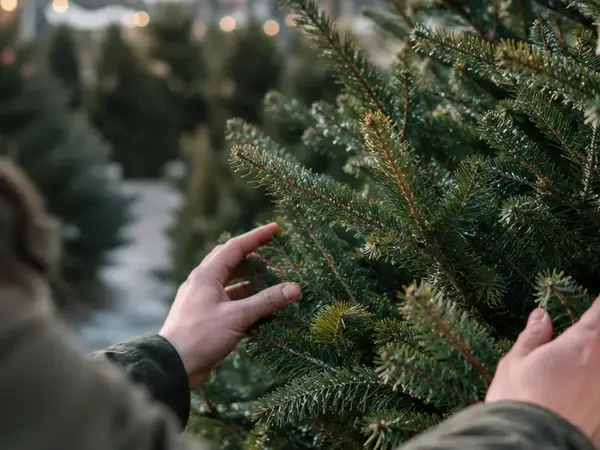
Start by circling the tree rather than cutting from the lane side. Sight down the row to separate a crooked leader from a whole-tree lean caused by shade, wind, or competition. Inspect the terminal for one usable top, frost injury, feeding scars, resin, and breakage. Any of these defects will force a replacement choice later in the pass.
Follow with a scan of last season’s shear line. Inspect the tree from all four sides and once from several trees down the row before choosing the visual centerline. Classify each opening before cutting.
- A green gap with live buds can still furnish a thin area.
- A shaded side usually presents weak shoots that need careful preservation.
- A woody gap lacking needles and visible buds offers no recovery.
Understanding the difference between a temporary green gap and a permanent woody gap dictates how aggressively you can shape the surrounding laterals.
Time Each Pass to Hardened Illinois Growth
Let the block call each pass. During the active spring flush, handle representative shoots every few rows. Pine, fir, and spruce do not harden or set buds in exactly the same manner, so the indicator shoot must come from the species and part of the block being sheared. Return for the principal shaping pass when needles resist a brush of the hand. The shoot must no longer droop after handling, and the wood needs to part cleanly under the blade.
McHenry County heat, wet spells, and a short northern growing window punish both a premature soft cut and a delayed heavy cut. A workable schedule leans on three field checkpoints: active spring flush, early-summer hardening for the principal pass, and a late-season inspection for limited tidying.
A ready shoot features stiffened needles, a clean rather than mashed cut surface, and discernible buds associated with the base or end of the season’s flush. Recheck later in the season for isolated leaders or side shoots that outran the outline. Keep that visit lighter because northern Illinois weather leaves little time for late recovery.
Soap and Steel Before You Touch the Next Leader
Prepare the edge at the row before touching a leader. Remove resin and plant debris with a clean rag. Apply a blade-compatible disinfectant across the cutting surfaces, allowing the labeled contact period rather than wiping it away immediately. A young block moves trouble fast. Every tree is still being opened, and every leader is a fresh wound.
Sanitation Kit Essentials
Carry one sharp shearing knife or long-handled shears, clean rags, disinfectant in a field-stable container, and a separate place for used rags. Clean before the first tree and immediately after every suspect canker, resin bleed, discolored cut, or diseased leader. Make sure the disinfectant contacts both blade faces and the cutting edge.
At Oney's Tree Farm & Nursery, field observations point the same way, so sanitation stays strict. Resume the cleaning sequence whenever a cut exposes discolored wood or a dying terminal. A second clean tool can keep the crew moving while the first blade sits wet with disinfectant.
Choose One Leader and Keep It Dominant
Make the top decision before establishing the sides. Select the straightest healthy terminal. Remove or subordinate competing tops. Check that the chosen leader remains visibly above the upper whorl. Leave one dominant top per tree. Do not carry two equal terminals into the next flush.
If a leader is excessively long and weak, shorten it into live, bud-bearing growth rather than down into bare wood. Where the original tip is broken, choose one well-placed side shoot, bring it upright, and remove the immediate competition. Aim for a modest taper that leaves enough needle-bearing wood for the next flush, avoiding a skinny spire.
After side shearing, step back one tree spacing and confirm that the leader is still taller than the first whorl and centered over the trunk.
The Side Shears That Hollow Out Next Christmas
Trouble begins when appearance at the end of the pass outranks the living structure beneath it. Soft growth crushes or bends under the blade. A severe top cut weakens the centerline. Twin leaders divide the crown. Cuts into old brown wood remove the green sites needed for recovery.
Risk of Bare Interior Wood
Stop a side cut within the current needle-bearing flush rather than crossing into bare interior wood. Wood you cut after the current flush has hardened is wood that already carries the buds for next year’s laterals. A shaded hole requires preserving its remaining buds and correcting the source of shade, not stripping the fuller side to force an artificial balance.
Treat an August cosmetic pass strictly as inspection work. Remove only obvious protrusions that have hardened, leaving the bud-bearing framework intact for the following season.
Walk a Three-Year Tree at First Light
Tomorrow morning, pick one knee-high, three-year tree and work it as a complete trial before entering the rest of the row. Circle it, sight its lean from the row, inspect the terminal, clean the blade, and designate a single leader. Touch only hardened portions of this season’s growth, taking one shallow taper pass from the top downward.
The Single Trial Tree
Put the tool down and view the tree from the next planting position. Check the leader-to-first-whorl relationship and look for any cut that entered brown interior wood. Complete exactly one trial tree before repeating the method down the row.
Once this season’s needles have hardened, the buds that will build next year’s whorls are already sitting at the base of that flush. A heavy late side cut on a young McHenry tree removes the exact buds required to fill the canopy.