
The Weekday Harvest Window
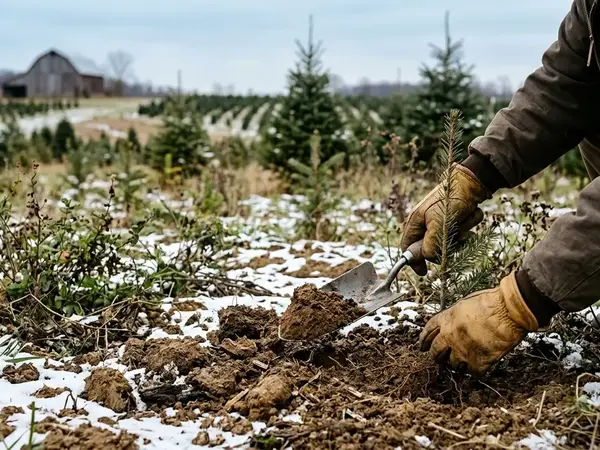
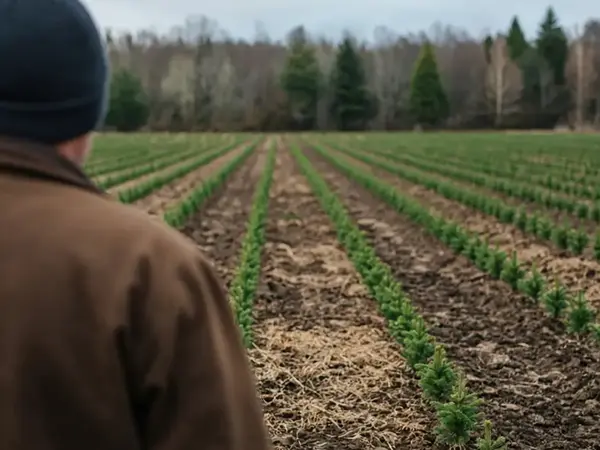
A Monday-through-Friday trip to a living Christmas tree field during harvest season changes the rhythm of the outing. Families walk the rows, select a tree still rooted in the soil, and cut it that same afternoon. This tradition runs deep in Illinois farm practice. You choose among trees grown directly on the land, bypassing the parking-lot racks of pre-baled inventory entirely.
The calendar day you arrive alters the practical stakes of the visit. It dictates your available daylight, how much time the crew can spend with you, and how the field itself feels underfoot. A weekday visit usually means a calmer setting for making your selection. The focus remains entirely on the trees themselves and the shared experience of walking the property. The row-to-stand sequence begins here, setting the pace for the rest of the season.
Judging Color and Shape in December Light
December daylight fades early in Illinois. The usable window for walking rows is strictly an afternoon affair. A weekday after-school arrival catches open light on the needles, illuminating the true color of a Balsam fir. Weekend crowds often delay families, pushing the actual field walk into the dimmest part of the day.
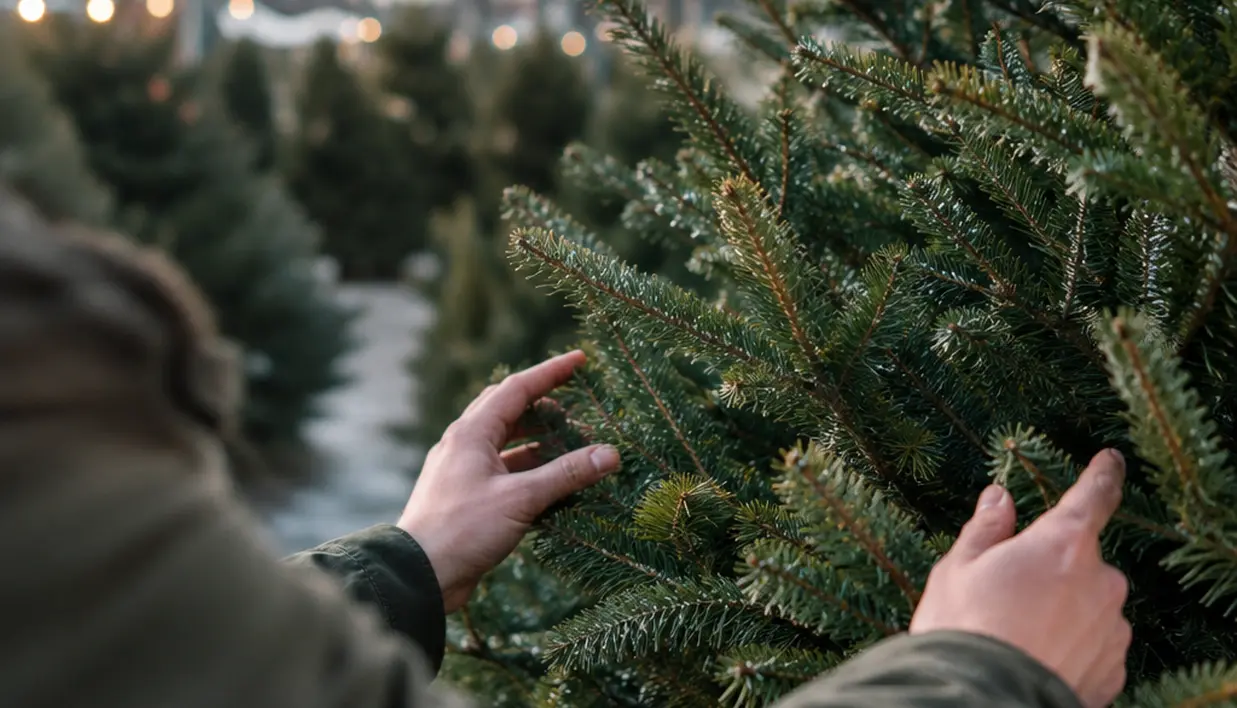
A Tuesday or Wednesday mid-afternoon walk provides even light to judge color, spot gaps, and examine the leader shape. Plan to be in the field with enough remaining daylight to compare two or three candidate trees before you pick up the saw. Proper lighting allows you to see the natural density of the branches. You can evaluate the symmetry of the tree without rushing against the setting sun.
Timing Your Arrival: Check the local sunset time before an after-school trip to ensure you have enough open light across the rows.
Tapping Into Crew Knowledge
A quieter weekday allows the farm team to step away from the checkout table. They can actually walk a row with you, pointing out species differences, mature heights, and which trees still have full lower branches. You can ask which block was sheared most recently. They will gladly recommend which variety holds its needles best once it sits in your living room stand.
Weekday staffing is leaner than Saturday operations, which means immediate assistance depends on the day's specific harvest schedule. A short call ahead remains essential if you need a wagon, a bow saw, or help loading a tall tree. That call makes sure the right tools are ready when you arrive. The crew's insights help match your indoor space with the right tree from the field.
Navigating Undisturbed Rows
Weekend field wear transforms the ground. A weekday morning offers a stark contrast. Paths remain less churned, straw stays in place, and popular front rows sit untouched by dozens of hands.
Wear boots after a freeze-thaw spell. Less traffic does not make wet soil firm, so prepare for mud. You can take a slower line between the trees instead of shuffling in a packed lane. Trees that escape the morning tugging and spinning show their true shape. You spend your time deciding rather than repairing bent tips. Check lower branches and the leader from more than one side before cutting. The undisturbed branches present the tree exactly as it grew.
Integrating the Farm Run Into the School Week
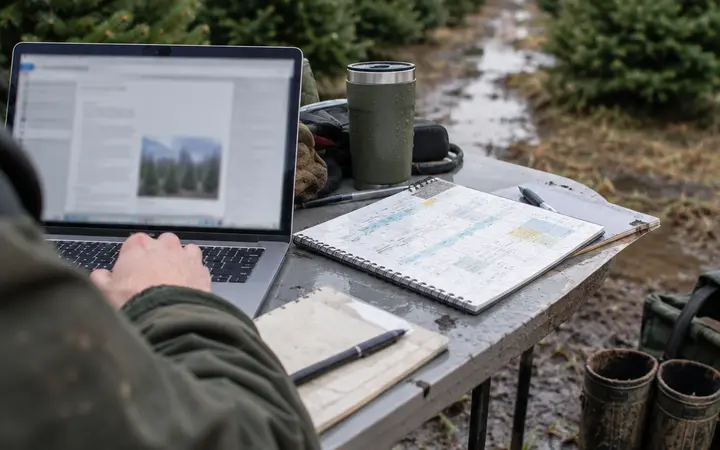
Map the visit onto a real school week. Early-out days and teacher institute afternoons provide natural windows for a farm run. The first December dusk after pickup works beautifully. Leave school and drive straight to the farm. Walk the rows while energy is still high.
Save the cocoa for the ride home instead of waiting out a Saturday line. This sequence keeps the field visit focused on choosing the tree. It keeps the trip tied to Illinois farm tradition. Check the farm’s weekday closing time alongside the school dismissal time to ensure a smooth transition. The move from classroom to farm field creates a distinct seasonal memory.
Preserving the Festive Atmosphere
Families easily maintain the holiday atmosphere on a quiet Tuesday. A thermos and a playlist in the car set the mood. You skip the packed parking lot entirely. The festive feeling stems from the ritual of cutting a living tree together.
Arrive mid-afternoon and start your search. Giving each person one veto during the comparison keeps the outing moving. Take one unhurried photo in the row where your chosen tree grew. Finally, cut the keeper before the light goes gold. The absence of weekend noise amplifies the simple act of selecting your tree.
The Transition from Field to Stand
Pick a midweek afternoon and walk the back rows first. Cut the tree you will actually decorate. Drive it home the same day.
A rooted tree draws water from the soil until it is cut. Sawing the trunk ends that supply immediately. Setting the freshly cut trunk in a water-filled stand the same evening starts the indoor life of the tree on the exact day you brought it out of the field.