
A generic tree-buying guide may tell families to plant whenever the weather feels mild. For balled and burlapped stock, that advice breaks down. Digging, soil-ball integrity, and transplant timing are tied to the farm's operating windows, not to a comfortable weekend on the calendar. This guide walks through the two retail windows in McHenry County, why they fall where they do, and how to match the season to what you actually want the tree to do.
Origins of Seasonal Practices in McHenry County
The seasonal rhythm at Oney's Tree Farm & Nursery did not come from a garden-center marketing calendar. It grew out of grower-retailer experience: knowing when local field-grown stock can be dug, handled, and moved without wrecking the root system. The founding Peterson family built the retail schedule around field conditions first.
That background spans nearly three decades of growing and selling. Over those years, two clear windows settled into place. Spring runs April 1 through May 31. Fall runs September 1 through September 30. These are not arbitrary. They mark the stretches when McHenry County soil and weather cooperate with the demands of digging and transplanting substantial trees.
Local soil and climate did most of the shaping here. A balsam fir or a shade tree grown in this ground develops a root ball suited to this ground. When the same tree is dug and replanted a few miles away, the transition is gentler than it would be for stock trucked in from a different region.

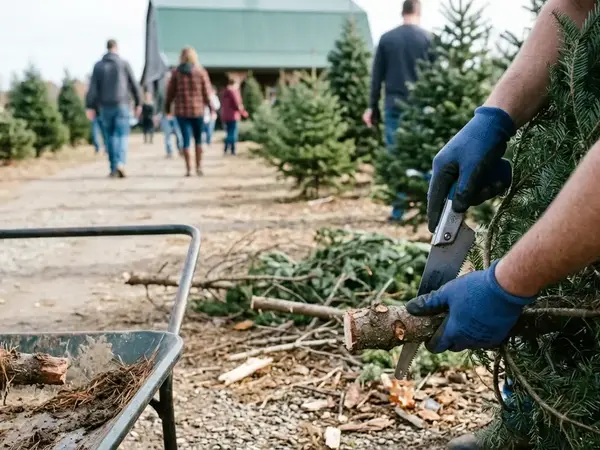
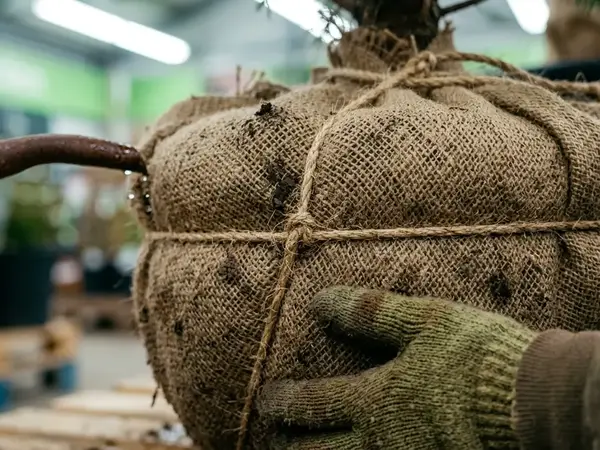
The traditional preparation method reflects that reality too. Balled and burlapped handling — digging the tree with an intact soil ball and wrapping it for transport, became standard for larger field-grown trees because it protects the roots during the move and gives the tree its best chance at establishing.
Key Takeaway: The retail windows exist because the trees are grown here and dug here. The calendar follows the field, not the other way around.
Spring Retail Window Details
April 1 through May 31 is the primary sales period for balled and burlapped trees. This is the longer of the two windows, running about two months, and it gives families room to plan a planting without rushing.
Spring decisions center on one thing: moving the tree while the ground and weather still support establishment. The soil is workable, moisture is generally reliable, and the growing season ahead gives roots months to settle before any real stress arrives.
Locally grown stock gets priority during this window for a straightforward reason. The root system, the soil ball, and the above-ground growth all developed under the same conditions the tree will keep living in. That match improves transplant survivability more than any single planting-day technique.
Forms Available in Spring
The spring window carries a broader range of forms than fall. You will find:
- Dwarf selections for smaller yards, foundation plantings, and tight spaces where a full-size tree would overwhelm.
- Multi-stem specimens that bring a fuller, more sculptural shape for gardens and focal points.
- Balled and burlapped landscape trees ready for transplanting into a permanent spot.
If you have a specific form in mind, spring is usually where you will find it.
Fall Retail Window Details
Fall is deliberately shorter. September 1 through September 30 is the entire window — about a month, roughly half the spring stretch. The compression is not a shortage. It reflects a narrower job: getting substantial trees into the ground before winter exposure becomes the dominant concern.
Customers shopping in fall tend to arrive with a different goal than spring buyers. The emphasis shifts toward shelter and protection. Wind-blocking rows, screening from a road or a neighbor, and noise reduction all matter more as winter approaches.
Why Caliper Guides Fall Selection
For these plantings, height alone is a poor guide. A tall, spindly tree does not buffer wind the way a well-developed trunk does. Fall selection leans on caliper measurement — the diameter of the trunk, to compare mature-stock size honestly.
Caliper tells you something height cannot: how substantial the tree really is. Two trees can stand at the same height while one has the trunk strength and structure to do the sheltering work you need. When the goal is a windbreak that performs through a McHenry County winter, caliper is the number that matters.
Pro Tip: If you are planting for wind or noise protection, ask about caliper before you fall for height. A shorter, thicker tree often does more work.
Local Cultivation and Preparation Methods
Preparation starts long before a tree reaches the retail lot. It starts in the field, where trees are grown specifically to suit regional transplanting. Only later are they dug with a soil ball and wrapped for transport.
The balled and burlapped method sits at the center of this process. Root preparation done this way improves survival rates in Illinois soil because the tree keeps a protective envelope of its original ground during the move. The roots are not bare, exposed, or shocked by an abrupt change in medium.
The available material breaks into categories that suit different needs:
- Dwarf trees for constrained spaces and smaller garden-center-scale projects.
- Multi-stem forms for fuller shapes and ornamental placement.
Design guidance comes into play once the tree form is known. Dawn and Scott apply landscape design expertise to match farm-grown material to its final placement and its intended role. A tree meant to anchor a corner is chosen differently than one meant to screen a property line, even if both are balled and burlapped.
Matching considers three things together: the farm-grown material on hand, the exact spot it will go, and the job it is meant to do. Skip any one of those and you end up with a healthy tree in the wrong place. One thing to keep in mind: these windows and methods describe field-grown, balled-and-burlapped stock in a northern Illinois setting; container-grown plants or trees sourced from another region can follow a different handling schedule entirely.
Matching Seasons to Your Landscape Needs
Spring selection and fall selection are not duplicate seasons wearing different labels. They serve different planting goals, and the smart move is to match your goal to the window rather than to the first mild weekend.
Here is the practical comparison.
When Spring Makes Sense
Spring gives you the longer buying period — roughly two months from April 1 through May 31, and broader transplant timing. If you want a specific form, especially dwarf selections or multi-stem specimens, spring carries the wider range. It is also the more forgiving window for establishment, since the full growing season lies ahead.
When Fall Makes Sense
Fall concentrates into the month from September 1 through September 30. It suits customers with a protection-driven purpose: wind buffering, screening, and noise reduction before winter. If your project is a windbreak or a privacy row, and you are selecting by caliper, the fall window is built for exactly that.
Weigh the soil-matched benefit of locally grown, balled-and-burlapped stock against the timing constraint of each window. The trees are healthier and better suited to this ground either season. The difference is in what you are trying to accomplish and how much lead time you have to accomplish it.
So before you circle a date, ask yourself the real question: is your yard waiting on a tree to fill a space, or waiting on one to hold back the wind — and which window is that tree actually dug in?