

Illinois-grown balsam fir has a different story than the same tree raised farther north: it needs careful siting, steady early care, and a grower who pays attention after summer heat settles in. When it is placed well, its fragrant needles and sturdy branches make it a favorite choose-and-cut tree, tying holiday visits back to the practical heritage of family farms.
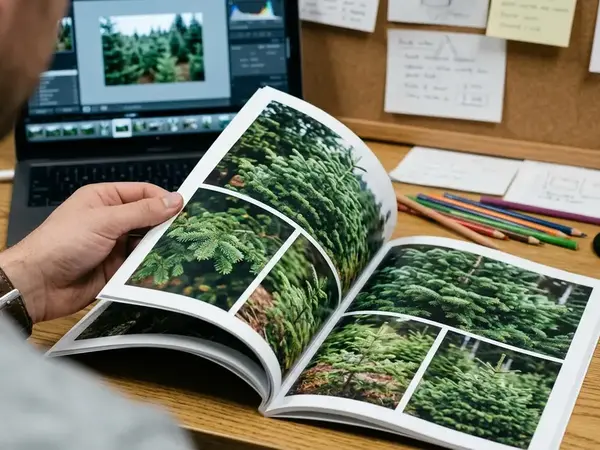
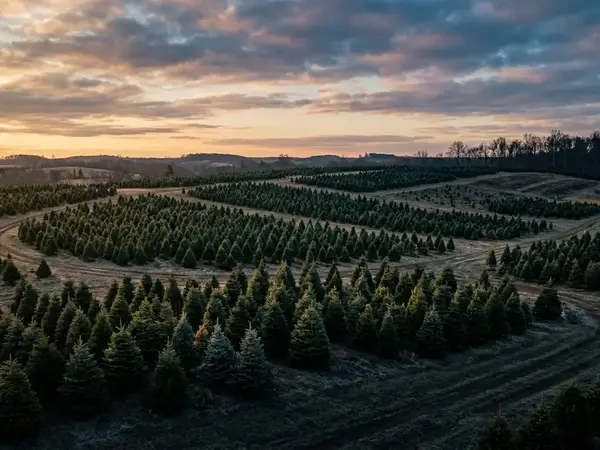
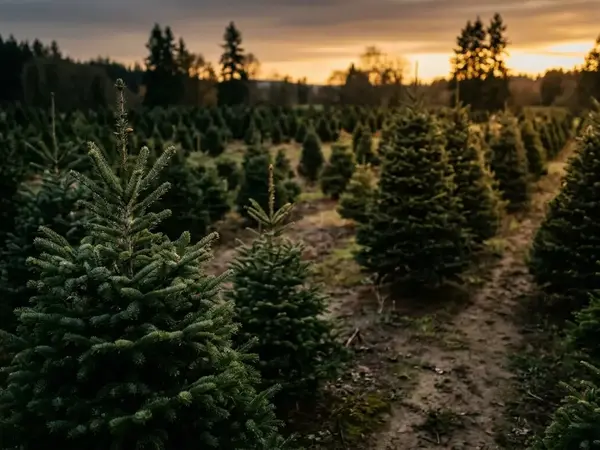
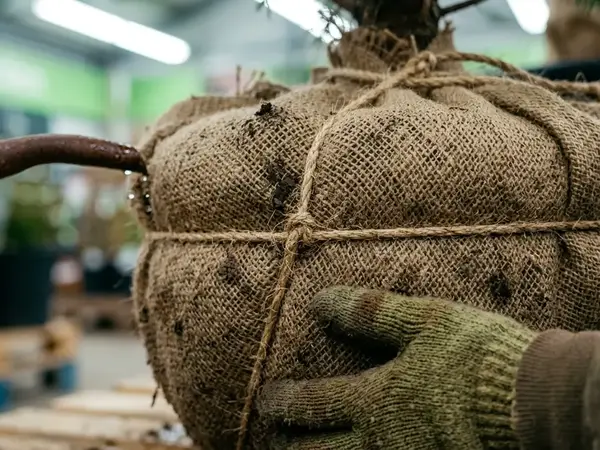
For Illinois farms, balsam fir care starts with the ground under the seedling. A site with air movement, dependable drainage, and room to mow cleanly around young trees does more for future tree quality than a rushed planting day. Keep the first seasons simple: reduce weed pressure, watch soil moisture during dry spells, and shape lightly enough that the tree still looks like itself. Visitors notice that natural look when they walk the rows, especially when the scent carries on a cold December morning.
Here is a copy-ready starting plan for a small demonstration row: choose the highest, best-drained strip near the farm path; plant a short line of balsam fir seedlings in spring; mulch or mow to keep grass from crowding each trunk; check the row after heavy rain to confirm water moves away; water during long dry stretches while the roots establish; make one light shaping pass after growth firms up; then add a simple sign that says, “Balsam fir: fragrant, traditional, and happiest here when its feet stay out of wet soil.”