
The 28-Day Standard
The ranking of a holiday tree should be built backward from the last week of display, not from the first day in the stand. A looks-first approach fails once the four-week benchmark becomes the standard. A tree that drops its needles by week three cannot support the full holiday timeline.
Use four weeks as a practical household benchmark. This window covers harvest or purchase, transport, setup, decorating, Christmas week, and post-holiday takedown. Judge freshness by needle behavior at the end of the display window, not only by color, symmetry, or branch density at purchase.
Criteria for Selection
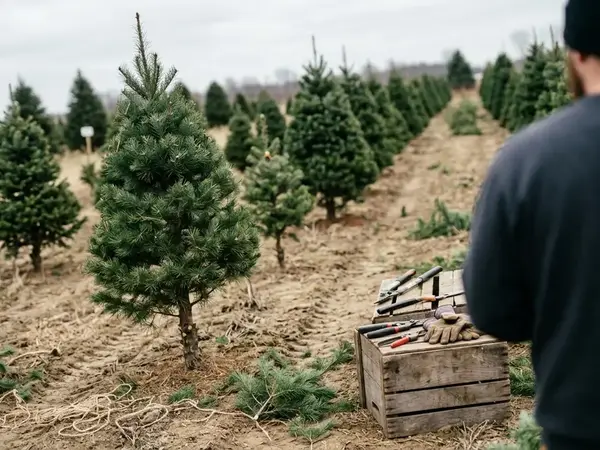
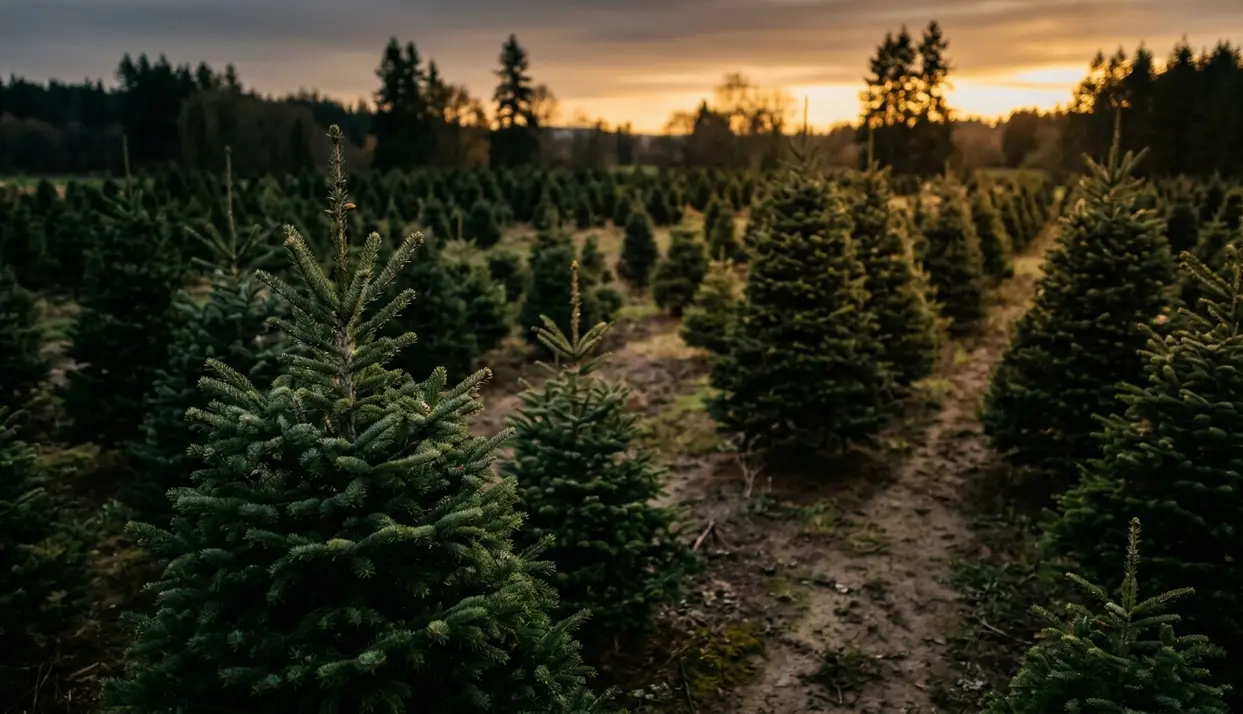
The selection process favors trees that have finished hardening off in the field, then survived basic lot preparation without shedding heavily. Where Oney's Tree Farm & Nursery harvest logs indicate, cold-conditioned foliage generally holds better after cutting than soft, actively growing late-season tissue.
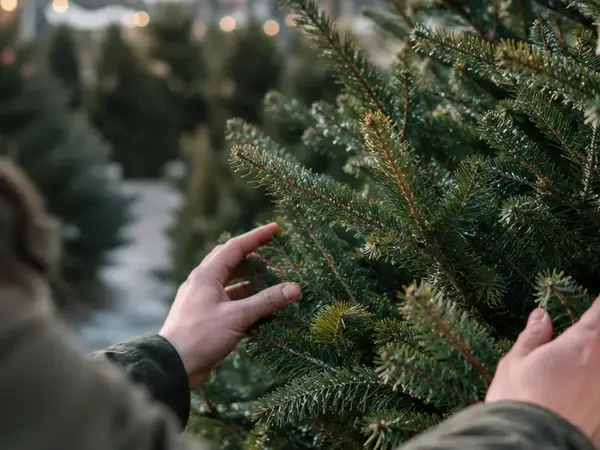
A mechanical shaker should remove loose interior needles before the tree goes on a vehicle or into a living room. Heavy needle drop during shaking is an early warning, not a harmless cleanup step. The list below is limited to varieties with realistic 28-day display potential under ordinary indoor care.
Key Takeaway: While needle retention varies by species, harvest timing, and room warmth, the four-week target assumes the trunk gets a fresh cut, the stand stays supplied with water, and the tree is not placed beside a heat register, fireplace, or strong sunny window.
Top Varieties for Extended Display
1. Concolor Fir
Concolor fir earns its place because it combines sensory appeal with durability. It is not chosen merely for being unusual. The orange-citrus scent and green-to-blue needle color matter only after the tree proves it can hold its needles.
Needles are typically longer and softer-looking than Fraser fir needles, giving the tree a fuller, less prickly texture. The scent is often described as orange or citrus rather than the sharper resin note associated with many pines. Best performance comes from trees cut after field hardening, when needle attachment is stronger.
2. Fraser Fir
Fraser fir serves as the dependable benchmark tree. It is the variety many growers and families use as the control in their own memories of what a full-season tree should do.
Needles show a dark green upper surface with a blue-silver underside, which gives the tree contrast even before ornaments are added. Branches are generally strong enough for typical family ornament mixes without needing the dense stiffness of a pine. Fraser fir is a proven choice for a display window measured in weeks rather than days.
3. Scotch Pine
Scotch pine is selected for practical farm-lot reasons. It tolerates handling, has a familiar pine scent, and usually keeps its structure after being shaken and transported. Its value is not delicacy; it is resilience.
Needles are medium length and held in pairs, giving the branches a visibly pine-like texture. A properly prepared Scotch pine should be shaken before loading so dead interior needles are cleared before the tree enters the house. Its branch structure holds up well for families using heavier ornaments or making repeated decorating adjustments.
4. Norway Spruce
Norway spruce carries the classic old-fashioned Christmas tree outline many people associate with older farm-grown trees. It belongs on a four-week list only when the buyer understands its specific needs.
It is less forgiving than the firs. A perfect-looking spruce at purchase can still fail the four-week test if it was cut before hardening off or placed near forced-air heat. Treat it as a higher-maintenance choice compared with Fraser fir or Concolor fir.
Pro Tip: Warm water at setup can help release the resinous spruce aroma more quickly after the tree is brought indoors.
A Single Revealing Detail
Families need a field-level diagnostic instead of a vague freshness rule. Pinecones opening or popping are easier to recognize than subtle needle dehydration.
If cones begin opening noticeably indoors, the tree is already drying and should no longer be treated as a four-week candidate. Once cone popping is evident, the safer planning window is closer to 10-14 days of acceptable indoor display rather than the full season.