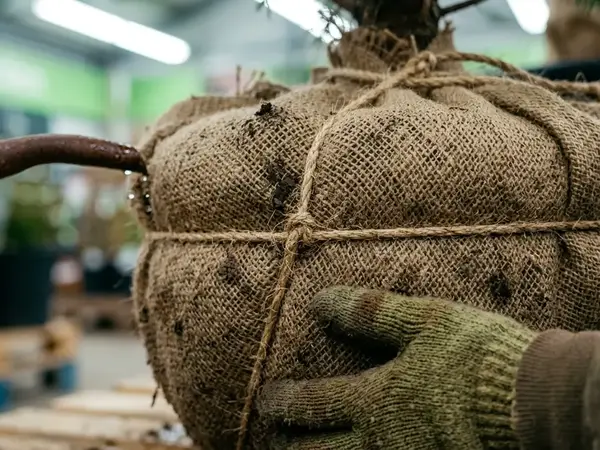

What Fresh Evergreen Wreaths Are
A fresh evergreen wreath is built by hand-forming cut evergreen tips into a rigid ring. The construction relies on a specific technique: layering the tips so the needle ends face the same direction and the stems disappear into the frame. This creates a continuous, unbroken circle of foliage. The wreath is made entirely from cut greenery, not a living plant with roots.
Frasier fir supplies the dense evergreen body required for a traditional look. Incense cedar adds a softer, draping texture that breaks up the rigid lines of the fir. Red Twig Dogwood introduces upright red stem contrast in mixed designs, providing vertical visual interest against the circular form.
Materials That Perform Well
Material choice is made by separating structure from accent. Frasier fir is assigned the structural job because it fills the circle and hides the frame completely. When the goal is thick needle coverage across the face of the wreath, Frasier fir is the proven foundation.
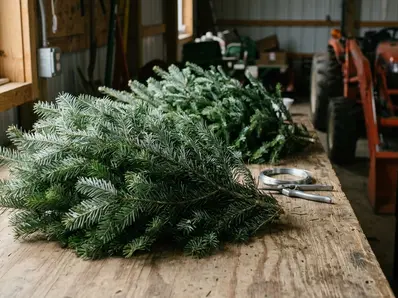
Incense cedar performs best as an accent layer in mixed wreaths rather than as the only greenery. Its draping habit lacks the rigidity needed to conceal the wire frame on its own.
Where Oney's Tree Farm & Nursery evaluates seasonal longevity, the finding follows that Balsam fir is a poor choice for heated entryways, fireplace rooms, and sunny interior doors. Needle drop accelerates rapidly under those conditions, compromising the wreath's appearance long before the season ends.
Selecting Size, Style, and Timing
Size and style are chosen by matching the wreath to where it will hang before choosing trim. A front-door wreath needs enough diameter to read clearly from the driveway, while an indoor wreath can be smaller to fit intimate spaces.
Indoor wreaths become available during Thanksgiving week. Outdoor versions can last until Easter when they are properly sited and kept out of harsh heat. This Easter-long outdoor display expectation assumes a cool, shaded, well-ventilated location; a south-facing door behind glass or under reflected winter sun will shorten the life of the greenery.
Warning: A fresh wreath hung between a front door and a storm door can dry rapidly because the enclosed glass space traps sun-warmed air even in winter.
Wired ribbon is the practical choice for custom accents. It guarantees the bow can be reshaped after rain, snow, or wind distorts the loops.
Daily Care Practices That Extend Life
The best care decision is based on slowing moisture loss rather than trying to revive dead needles later. Once the cut tips dry out—a process accelerated by indoor heating—the damage is permanent.
The wreath should be placed away from heat first. Keep it at least 3 feet from heat registers, fireplaces, space heaters, and sunny glass doors. Location dictates longevity: the same Frasier fir wreath may hold well on a shaded porch but decline faster inside a heated room with forced-air vents.
Pro Tip: Mist indoor wreath greenery once daily with cool water, avoiding heavy soaking of bows, tags, and decorative picks.
Key Takeaway: After the season, remove and compost or discard the fresh greenery. Store reusable wire frames, waterproof ornaments, and ribbon in a dry container rather than trying to store the fresh wreath intact. Storing a fresh wreath intact after the holidays usually leads to brittle needles and mess.
Order Your Wreath This Week
Plan the visit during Thanksgiving week for the strongest indoor-wreath selection. Choose the wreath body first. Ask for custom wired-ribbon accents at the time of purchase, before the wreath is packed or taken home.