
Severing the Root Connection and the Onset of Resin Glazing
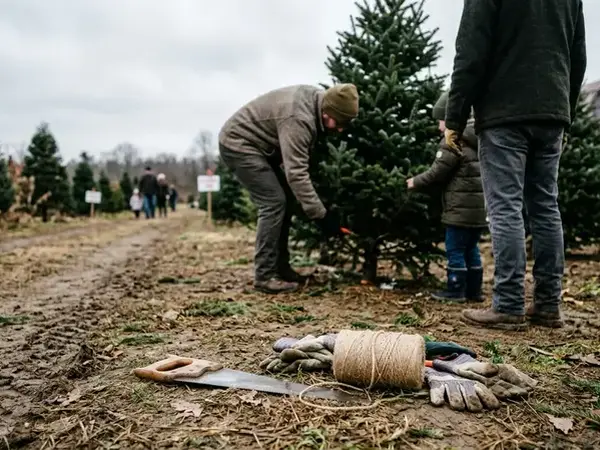
The physical reality of a harvest begins the moment the saw severs the trunk. That cut instantly ends the tree's field water supply, triggering a rapid biological response. Resin begins to glaze the exposed face as the wood dries in the open air. Families planning an early choose-and-cut Saturday in Illinois often worry about this exact mechanism, questioning whether a tree harvested weeks in advance will still look alive on Christmas morning.
A tree chosen from November 24 through November 30 must remain presentable for 25 to 31 days to look fresh on Christmas morning. The first consequential interval begins as soon as the trunk is cut and continues until its cut face is submerged in the stand. Evaluating a proposed farm visit requires looking past the calendar date. Success depends heavily on species selection, recent field weather, unwatered travel time, trunk preparation, stand care, and room heat.
Sustaining Transpiration Through an Open Trunk Face
A harvested evergreen in a stand operates under entirely different mechanical constraints than a rooted tree drawing moisture from farm soil. The cut tree is still transpiring through its needles, steadily losing moisture to the surrounding indoor air. It can only replace that lost moisture through the open wood of the trunk.
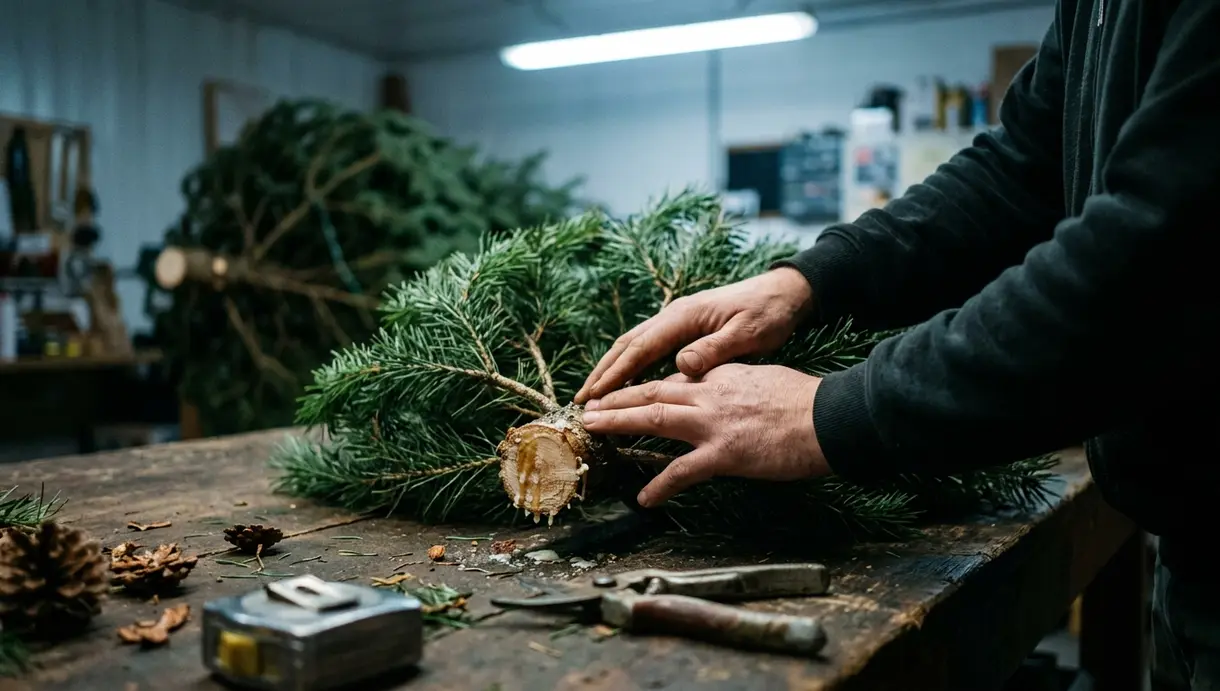
Resin sealing forms a physical crust on dry wood, impeding this vital uptake. Water absorption starts exclusively at the submerged cut face. Pouring or spraying water onto the bark does not replace that pathway, as the bark itself is designed to keep moisture inside the tree, not absorb it from the outside. Once the stand reservoir empties below the trunk face, the exposed wood begins another dry interval even if water is added later. Air enters the vascular tissue, the resin hardens again, and the primary route for hydration is compromised.
Assessing Needle Retention Across Common Illinois Species
Sorting the lot choices by their usual indoor behavior provides a baseline for expectations. Fraser fir is commonly favored for strong needle retention. Scotch pine can remain remarkably sturdy with steady watering. Spruce generally deserves the coolest placement and closest watch because its needles can loosen sooner in heated air. Balsam fir offers excellent fragrance but requires diligent hydration to maintain its needle integrity over a long display period.
What Illinois lots usually offer varies significantly by farm and season. Ask the grower what this season's trees have shown during test cuts. A recut, continuously watered fir may be the sounder long-display choice than a spruce harvested a week or two later but allowed to dry out during transport. No species is immune to a dry stand. Proper species selection can easily outweigh that much harvest timing when the tree is subsequently recut and watered correctly.
Evaluating Farm Weather Conditions Prior to Harvest
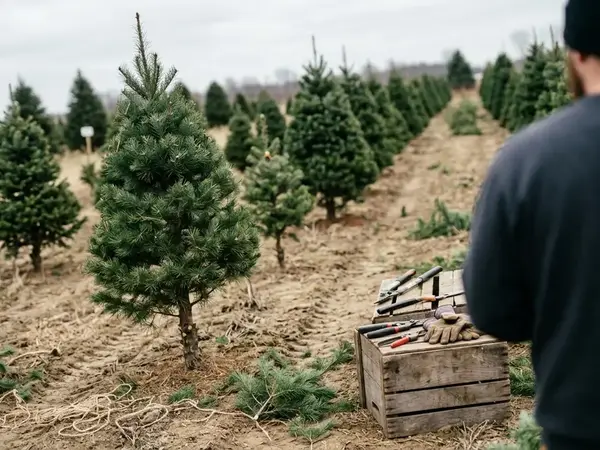
Before comparing specific weekends for a visit to Oney's Tree Farm & Nursery, evaluate the field conditions during the preceding week. Use the previous 5 to 7 days of farm conditions as the useful conversation window rather than relying on the month printed on the calendar. A dry fall, persistent drying wind, or trees entering cold weather already stressed will send a tree home with less stored moisture than a tree cut after a quiet, cool spell.
Cool, quiet conditions and seasonal cold acclimation favor strong needle attachment. An unusually warm, windy spell can work against even a same-day harvest by accelerating moisture loss before the tree is even selected.
Pre-Harvest Foliage Inspection
Inspect the actual candidate directly in the field. Run a branch lightly through a closed hand. Look for brittle foliage, excessive loose green needles, or visibly shriveled tips before committing to the cut. A healthy branch should feel pliable and retain its green needles under gentle pressure.
Mitigating Moisture Loss During the Transport Chain
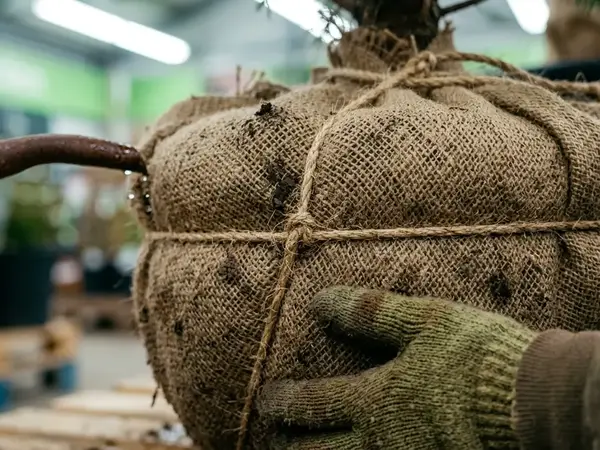
Reconstruct the trip home as a chain of unwatered stops. The fresh stump waits beside the row, crosses the farm on a wagon, sits for loading, faces moving air on the vehicle, and may spend the night in a cold garage. Add those specific intervals together before finalizing the harvest date.

An earlier tree whose butt is promptly recut and submerged can enter the room in far better condition than a later tree that spends its first day drying out. Plan to place the trunk in water the same calendar day it is cut. If the trip prevents immediate setup, store the tree in a cool location, sheltered from direct sun and wind, until it can be properly recut.
Highway Airflow Protection
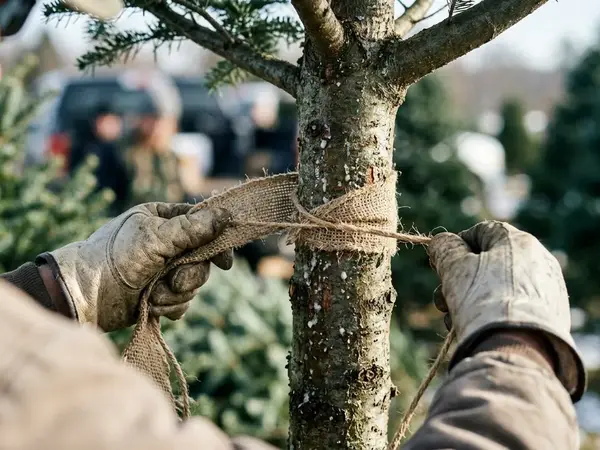
For roof transport, wrap or cover the crown securely. Point the trunk toward the front of the vehicle so highway airflow does not drive directly into the branch tips. Unprotected exposure at highway speeds strips moisture from the needles at an accelerated rate, severely compromising the tree before it ever reaches the living room.
Executing the Base Recut and Establishing the Reservoir
Treat the home recut as the critical handoff from farm handling to household care. This specific action reopens the vascular wood after resin has glazed the original saw face. Remove roughly 1/2 inch from the trunk base with a flat, clean cut. Angled cuts reduce the volume of wood resting directly in the water and can make the tree significantly less stable in the stand.
Move the tree directly into a stand that can hold a meaningful reservoir, and fill it completely before beginning any decoration. Choose a stand holding at least 1 quart of water for every inch of trunk diameter. Check the basin often enough that the waterline never falls below the cut face.
A crew's lot-side recut is useful only when the trip home is followed promptly by water submersion. Otherwise, make another fresh cut at home. Review North Carolina State Extension guidance on selecting and caring for cut Christmas trees for detailed setup parameters. Good hydration extends display life, though indoor humidity levels ultimately cap any cut evergreen's longevity.
Isolating the Display from Indoor Heat Currents
Choose the display position carefully before selecting the farm weekend. Follow the path of heated air from floor registers, radiators, return-air currents, and a working fireplace. Place the tree entirely outside those drying streams. A tree positioned beside a heat vent, radiator, or working fireplace loses moisture much faster than the exact same tree placed in a cooler room.
A mid-December cut in a hot, dry living room can brown sooner than an earlier cut in a cool room with a full stand. Maintain clear physical space between the branches and any heat sources rather than placing the crown directly over a vent or beside an operating radiator.
Initial Hydration Monitoring
Favor cool-running lights that do not bake the interior branches. Check the reservoir twice daily for the first week indoors. Refill the basin whenever the level approaches the trunk base, as initial water uptake is strongest during those opening days.
Calculating the Total Display Commitment
Compare complete care paths rather than evaluating saw dates in isolation. A November 29 harvest kept through December 25 creates a 26-day display commitment. Extending the removal date to January 1 pushes that requirement to 33 days.
A Fraser fir cut on a cool late-November Saturday, recut immediately after the ride, placed directly into a full stand, and kept far away from a heating vent stacks several protections together. A later-cut spruce easily loses that calendar advantage if its stump dries during transport and its branches spend each evening bathed in fireplace-heated air. Before leaving the farm, confirm that there is adequate time that exact day for the drive, a fresh base cut, stand placement, and the first filling, rather than postponing the setup overnight.
When you map out your available weekend hours and your specific living room layout, which constraint dictates your strategy: securing a specific species early in the season, or waiting until you have the guaranteed time to execute the recut and hydration the moment the tree arrives home?