Start with the site
A low pocket that holds water after a March thaw asks for different decisions than a well-drained slope. Good cultivation starts before the first seedling goes in.

Hit ESC to dismiss
Access cultivation knowledge and heritage insights from Oney's Tree Farm to make confident choices.
Explore Guides

Oney's Tree Farm shares this work as a practical guide for families, new growers, and anyone curious about how a balsam fir becomes the tree that anchors a December living room. The lessons here stay close to the farm: what a grower sees in a row of young trees, how a visitor can compare needles, and why local seasons shape every choice.
A low pocket that holds water after a March thaw asks for different decisions than a well-drained slope. Good cultivation starts before the first seedling goes in.
Bud break, leader growth, summer heat, fall color, and harvest all leave clues. A grower who walks the rows often catches small changes early.
A Christmas tree is not just a product. It reflects local land, farm memory, and the habits families build around choosing one together.
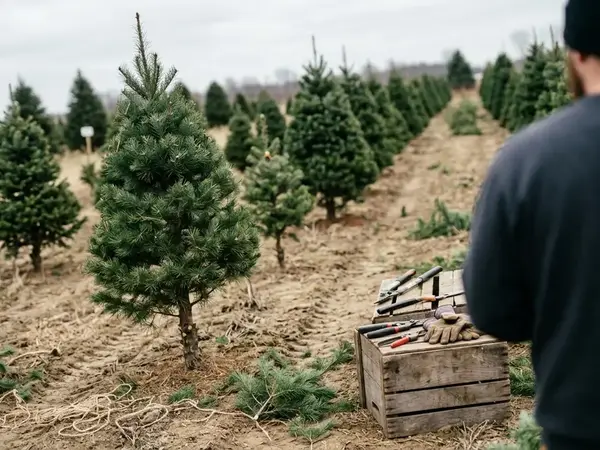
Pick the species before you pick the pruning plan. A fir, pine, and spruce each tells you something different through its needles, branch spacing, scent, and tolerance for the farm's soil.

For a concrete example, compare a balsam fir with a Scotch pine on a warm, breezy December afternoon. The fir gives that classic fragrance and soft, full look many families expect. The pine often carries sturdier branches and a different texture under hand. Neither choice wins every household; the useful question is where the tree will stand, how heavy the ornaments are, and how much needle softness matters to the person decorating it.
Our variety guidance stays tied to species grown and discussed through Oney's Tree Farm's educational focus, with attention to the Illinois growing season rather than generic national advice. Illinois weather still leaves room for judgment after a late thaw.
When comparing trees, rub a few needles gently between your fingers and look at the branch angle. Scent and structure tell you more in a few seconds than a label alone.
For deeper species notes, visit Best Christmas Tree Varieties for Your Home or learn how living root balls change the care plan in How to Care for Live Burlapped Christmas Trees.
McHenry County agriculture does not move by holiday countdown alone. Spring planting, summer mowing, late-season shaping, and winter visitor days all belong to the same cycle.

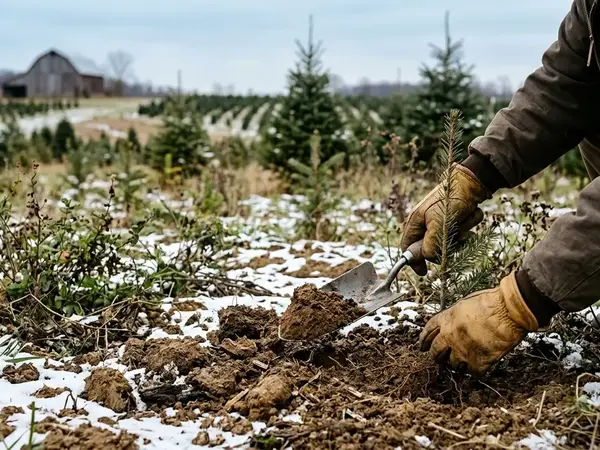
Young trees need close attention when weeds wake up and new leaders stretch. This is the season for quiet work that most visitors never see.
The farm shifts toward selection, family visits, wreath care, and fresh-cut handling. The trees have already carried years of growth by then.
Community knowledge matters here. Feedback from visitors confirms that first-timers often want simple, local context: when to come, what footwear to wear, how long a tree stays fresh, and why a field looks different from a retail lot. Those questions are not side notes. They are how families begin to understand the farm.
For a closer look at timing across the county, see McHenry County Farming Seasons Explained.
The best cultivation lesson often happens while someone is walking slowly between rows, pausing at two trees that looked identical from the lane.

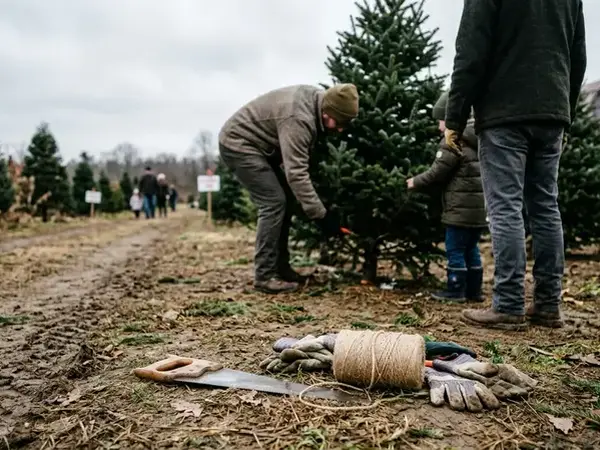
Before a U-cut visit, take a minute to talk through the room where the tree will stand. Measure the ceiling. Think about the width near the base. Decide whether the family wants strong branches for keepsake ornaments or a softer tree with a fuller outline. A little planning keeps the field experience relaxed.
Fresh trees still need steady care after they leave the farm. Make a clean cut if needed, place the trunk in water promptly, and check the stand daily during the first stretch indoors.
Start with Planning Your First U-Cut Visit if you want the field day to feel easy instead of rushed.
Pair the tree with practical holiday greenery care, including fresh evergreen wreath guidance.
At the edge of a December row, a child in red mittens pats snow from a low branch while a parent steps back to check the height against a marked measuring pole. The tree is still rooted in the field for one more minute, and everyone is looking closely.

Find subjects that spark your curiosity.
Write thorough, well-sourced material.
Connect with readers seeking these answers.